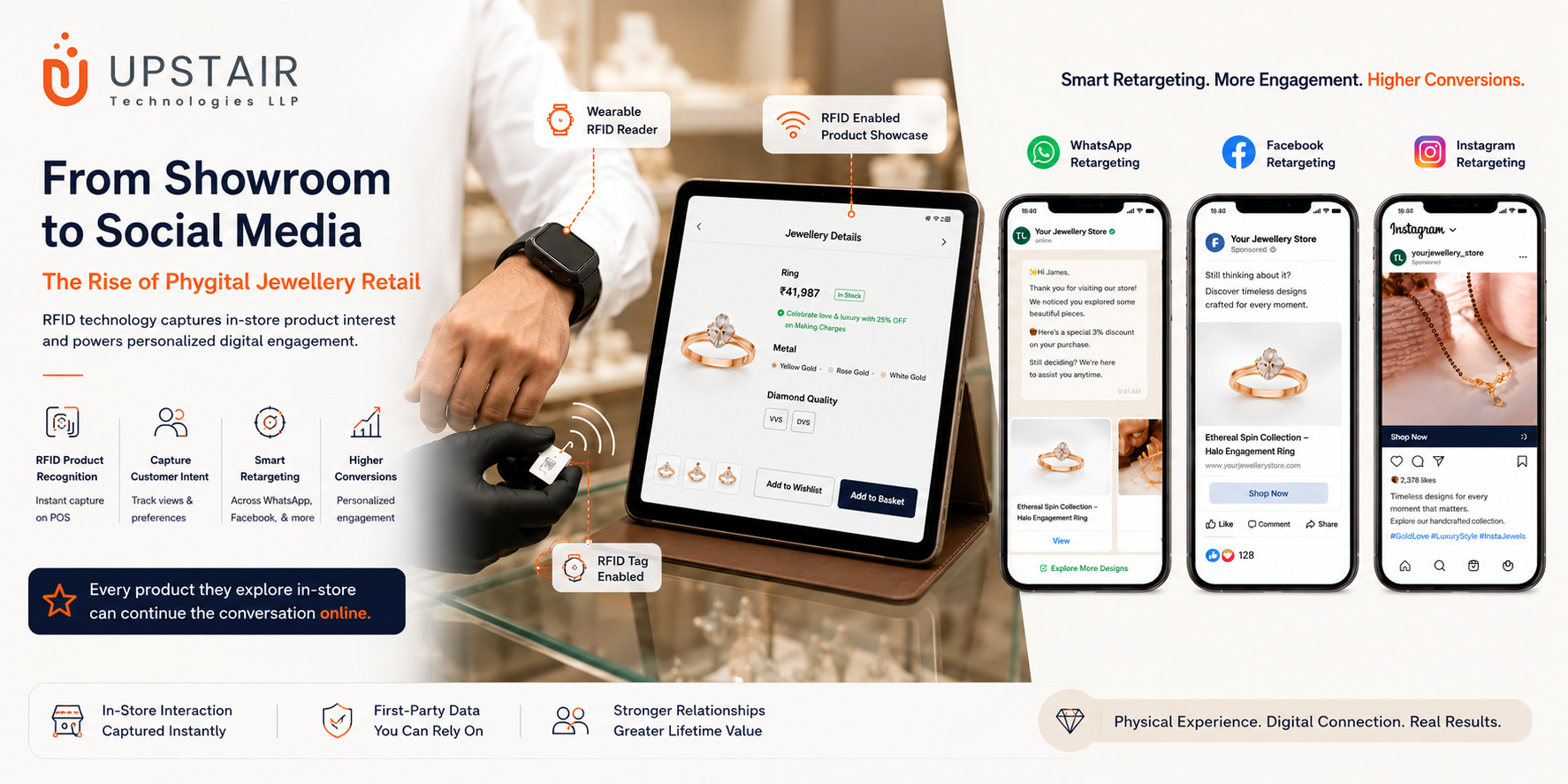
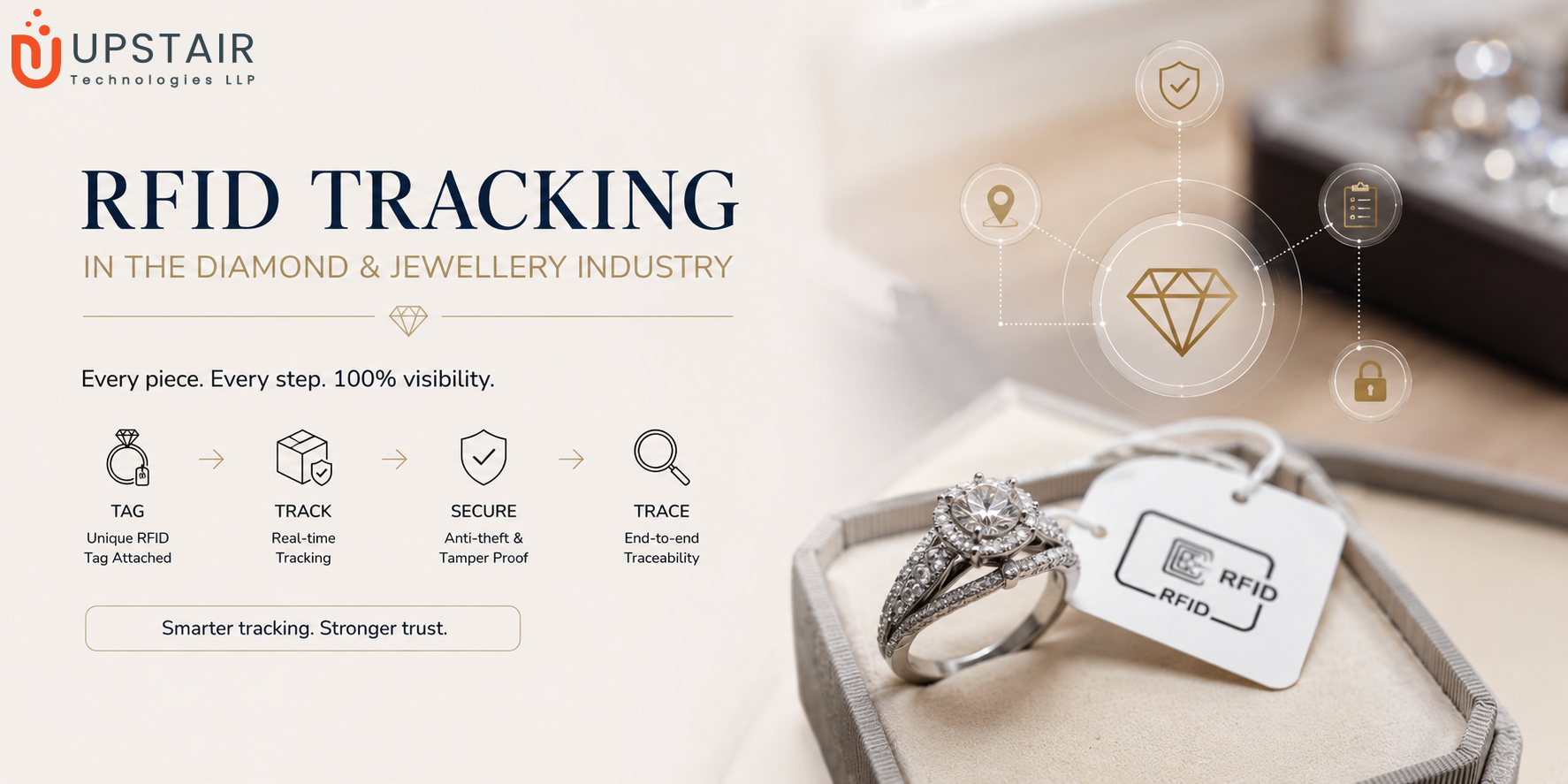
When a customer purchases a valuable piece of jewellery, they receive more than a product. They are buying craftsmanship, precious metal, diamonds or gemstones, brand assurance, warranty, and a product that may remain with their family for generations.
Yet in many jewellery stores, all of this information still depends on a paper invoice, warranty card, or printed certificate.
What if the jewellery brand could issue a secure NFC-enabled Jewellery Certificate for every piece it sells?
A certificate that customers can simply tap with their smartphone to verify the jewellery, view its specifications, check its purchase and warranty information, and establish its connection with the issuing brand.
This can transform a traditional jewellery certificate into a Digital Identity for Jewellery.
What Is an NFC-Enabled Jewellery Certificate?
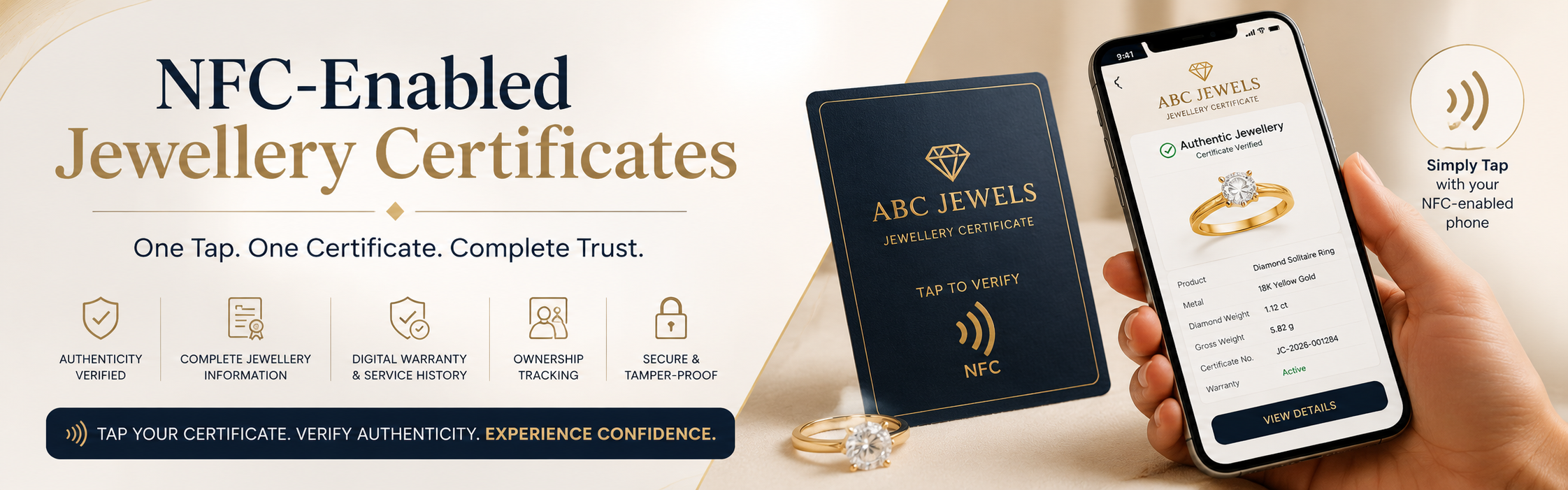
An NFC-enabled Jewellery Certificate is a physical premium certificate or card issued by the jewellery brand with a secure NFC chip embedded inside it.
Every certificate is uniquely associated with a specific jewellery piece.
For example:
- Jewellery Certificate No.: JC-2026-001284
- Brand: ABC Jewels
- Product: Diamond Solitaire Ring
- SKU: DR-18452
- Metal: 18K Gold
- Gross Weight: 5.82 g
- Diamond Weight: 1.12 ct
- Certificate Status: Authentic
- Ownership Status: Registered
The customer simply taps the certificate with an NFC-compatible smartphone to access its digital record.
Tap → Verify → View Jewellery Details
There is no need to manually enter a certificate number.
One Jewellery Piece. One Certificate. One Digital Identity.
The core concept is simple.
When the jewellery is sold, the brand generates a unique Jewellery Certificate and links it with the actual SKU or serial number of that jewellery piece.
The certificate can contain information about the complete jewellery item, rather than only an individual diamond.
For example, the digital certificate could contain:
- Brand and collection
- Jewellery certificate number
- Product/SKU/serial number
- Product photograph
- Jewellery category
- Metal type and colour
- Gold karat/purity
- Gross and net metal weight
- Diamond quantity
- Total diamond carat weight
- Diamond colour and clarity
- Gemstone details
- Ring or jewellery size
- Manufacturing information
- BIS HUID, where applicable
- Independent diamond/gemstone report references, where applicable
- Purchase date
- Store/location
- Warranty information
- Current ownership status
The customer therefore has a brand-issued digital record of the complete jewellery piece.
How Does NFC Jewellery Certificate Verification Work?
The experience can be extremely simple.
Step 1 — Brand Issues the Certificate
When jewellery is invoiced, the brand's POS or ERP assigns a unique NFC certificate to that particular jewellery piece.
Step 2 — Customer Taps the Certificate
The customer brings their NFC-enabled smartphone close to the certificate card.
Step 3 — NFC Identity Is Authenticated
The secure NFC identity is sent to the brand's authentication platform for validation.
Step 4 — Jewellery Record Is Retrieved
The platform retrieves the jewellery information associated with that certificate.
Step 5 — Authenticity Is Displayed
The customer sees a clear result:
✓ Authentic Jewellery
Certificate issued by ABC Jewels
Along with the product photograph, specifications, purchase information, warranty and other information made available by the brand.
Why Is This Better Than a Traditional Jewellery Certificate?
A traditional certificate is largely static.
Once printed, the information remains the same.
An NFC-enabled certificate can be connected to a live digital record.
That means the brand can maintain information throughout the jewellery's lifecycle.
The same certificate can become useful during:
Purchase → Warranty → Repair → Resizing → Service → Ownership Transfer → Resale
Instead of being another card kept inside a jewellery box, the certificate becomes part of the customer's ongoing relationship with the jewellery.
NFC Can Add Another Layer of Anti-Counterfeiting
A printed jewellery certificate can potentially be photographed or reproduced. A visible static QR code can also be copied.
A secure NFC implementation can provide a stronger authentication layer by connecting the physical certificate with a unique digital identity validated by the brand's server.
When a customer taps the certificate, the system is not simply showing a webpage.
It is validating the certificate's identity and retrieving the jewellery record linked to it.
The experience can display statuses such as:
- ✓ Authentic Certificate
- ✓ Active Certificate
- ⚠ Ownership Mismatch
- ✕ Invalid Certificate
- ✕ Certificate Cancelled
This makes certificate verification much more meaningful for the customer.
Connect the Certificate with the Actual Jewellery
A particularly important feature is the connection between the certificate and the jewellery piece.
The digital certificate should display a photograph and key characteristics of the jewellery so the customer can compare the certificate with the physical item.
For higher-value jewellery, the brand can maintain additional identification information such as serial numbers, engravings, diamond certificate references, unique product characteristics or other internal identifiers.
The objective is to establish:
Jewellery ↔ NFC Certificate ↔ Brand Database
This creates a digital relationship between the physical product and the certificate issued by the brand.
One Certificate Can Bring Multiple Documents Together
A jewellery purchase may involve several different records.
For example, a diamond ring may have:
- Brand Jewellery Certificate
- BIS HUID
- Diamond Laboratory Report
- Gemstone Report
- Purchase Invoice
- Warranty
The NFC Jewellery Certificate can become the customer's single digital access point to these records.
Importantly, the brand certificate does not need to claim to replace an independent laboratory report or statutory hallmark. Instead, it can reference and connect these documents to the finished jewellery piece.
That makes the experience simpler while maintaining the purpose of each underlying certificate.
Turn the Jewellery Certificate into a Digital Warranty Card
The same NFC certificate can also become the jewellery's warranty card.
After tapping, customers could see:
Warranty: Active
- Purchase Date: 18 August 2026
- Warranty Valid Until: 17 August 2028
- Purchased From: ABC Jewels – Mumbai
- Registered Owner: Customer Name
The customer no longer needs to search for an old warranty card or invoice every time the jewellery requires service.
Maintain Jewellery Service History
Fine jewellery often returns to the brand for servicing.
It may be resized, polished, repaired, cleaned, have a stone replaced, or undergo other maintenance.
These events can become part of the jewellery's digital history.
For example:
- 2026 — Purchased
- 2027 — Complimentary Cleaning
- 2028 — Ring Resized
- 2030 — Diamond Setting Inspected
This creates a long-term digital service passport for the jewellery.
Digital Ownership of Jewellery
Jewellery frequently moves from one generation to another.
It can be gifted, inherited, exchanged or resold.
An NFC-enabled certificate can support an optional digital ownership record.
The original buyer could register the jewellery in their name. If the jewellery is later gifted or transferred, the ownership record could be updated through an authorized process.
The digital certificate could then show:
Certificate: Authentic ✓
Ownership: Verified ✓
This concept can become particularly valuable for premium jewellery and high-value pieces.
Powerful for Jewellery Resale and Exchange
Imagine a customer returning to the brand ten years after purchasing a diamond necklace.
The customer taps the original NFC certificate.
The brand can immediately retrieve the original product information, purchase details, diamond information, warranty and service history.
This can make future services such as exchange, buyback, upgrade, resale or valuation easier to manage.
A jewellery certificate therefore stops being relevant only on the day of purchase.
It can remain valuable throughout the life of the jewellery.
A Better Customer Experience for Jewellery Brands
For the customer, the experience is incredibly simple:
Tap Your Jewellery Certificate
- ✓ Authentic Jewellery
- ABC JEWELS
- Diamond Ring
- 18K Yellow Gold
- Diamond Weight: 1.12 ct
- Gross Weight: 5.82 g
- Certificate: Verified
- Ownership: Verified
- Warranty: Active
[View Jewellery Details]
[View Diamond Report]
[View Warranty]
[Service History]
The technology remains in the background.
What the customer experiences is confidence and transparency.
More Than a Certificate — A Digital Jewellery Passport
The bigger opportunity is to stop thinking about this as merely an NFC card.
The NFC card is simply the customer's physical key to a much larger digital ecosystem.
Behind it can exist:
- Product Authenticity
- Jewellery Specifications
- Brand Certificate
- Diamond & Gemstone Report References
- BIS HUID Reference
- Purchase Information
- Digital Warranty
- Service History
- Ownership
- Transfer History
- Exchange / Buyback Information
Together, these can create a Digital Jewellery Passport maintained by the jewellery brand.
The Future of Jewellery Certificates
Jewellery can last for decades.
Its certificate should be able to do the same.
Instead of issuing customers a piece of paper that may eventually be lost or damaged, jewellery brands can create a secure digital identity that stays connected with the product throughout its lifecycle.
The result is a stronger connection between:
Brand → Jewellery → Certificate → Customer
For jewellery brands, NFC-enabled certificates can provide an opportunity to improve authentication, strengthen customer confidence, digitize warranties, maintain product history and build long-term relationships with jewellery owners.
For customers, everything begins with one very simple action:
Tap. Verify. Trust.
One Jewellery Piece. One NFC Certificate. One Digital Identity.